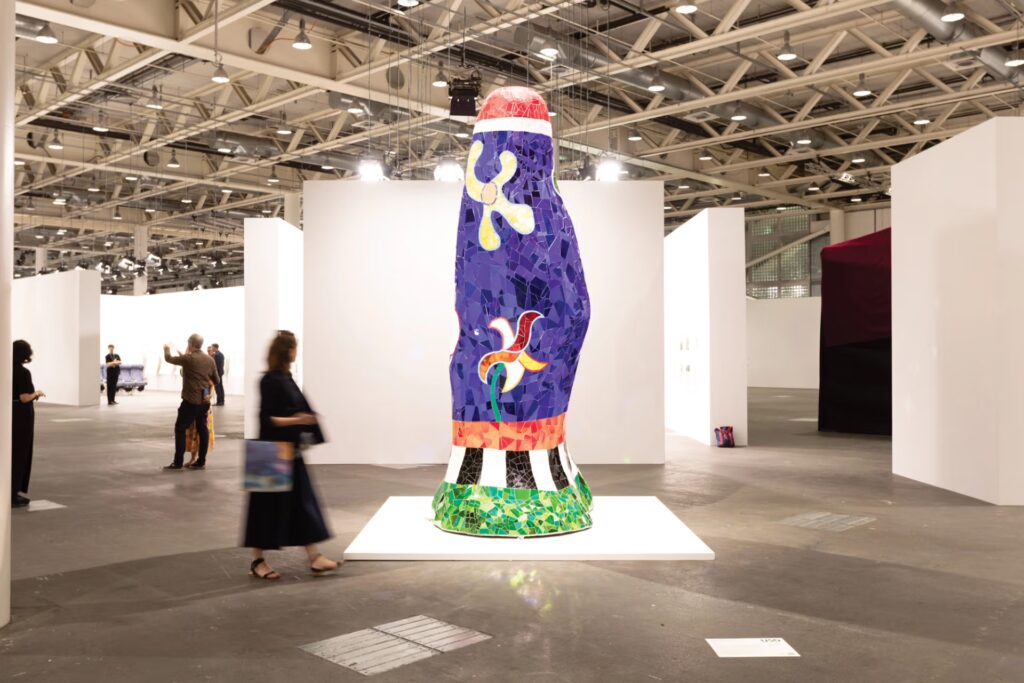
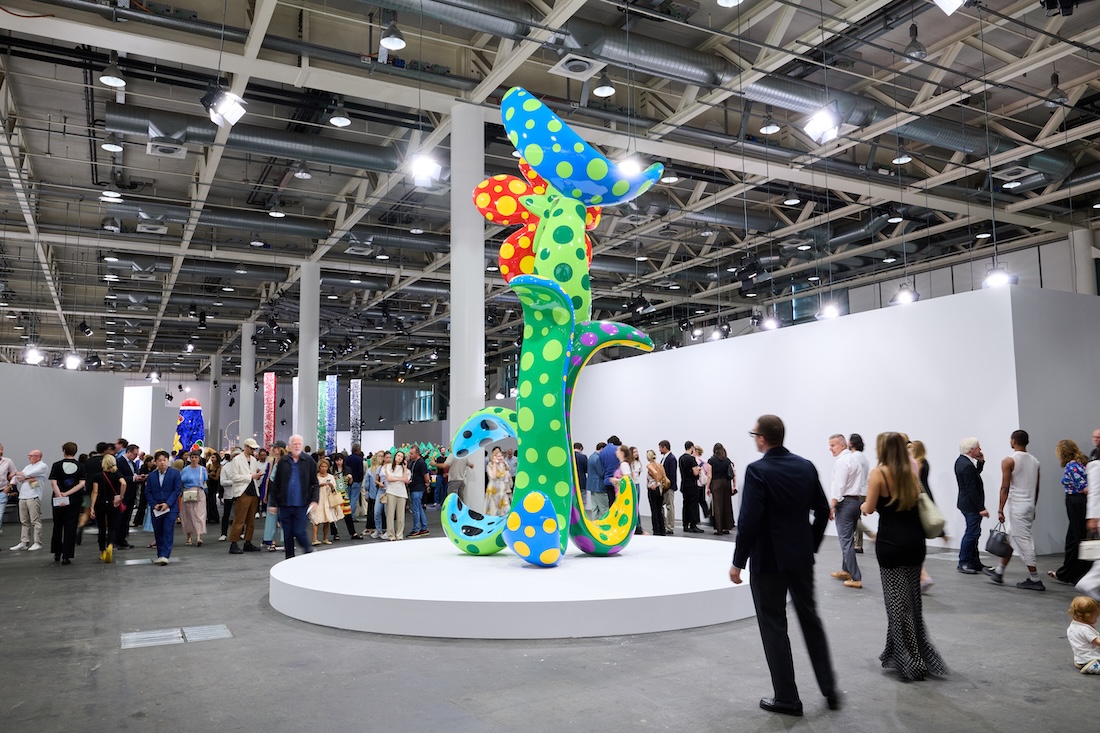
Notes from Art Basel’s Preview
After two days of the Art Basel preview, what felt most relevant to us was not a single trend, artist or sale, but the way discovery itself is changing.
So much is already visible before you arrive. Works circulate through previews, PDFs, private messages, press images and social media. By the time the fair opens, many people are not encountering the art for the first time; they are confirming, comparing, contextualising, or trying to understand what still holds attention beyond the image.
That makes the live encounter more important, not less.
But not in the obvious sense that “art should be seen in person”. The real point is that discovery now needs to be carefully shaped. The work needs the right context around it: the artist’s language, the way the booth or space frames it, the conversations that open it up, the people who see it, and the conditions that allow someone to move from recognition to real interest.
This is where the strongest artists cut through. Not necessarily because they are the loudest, or because the work photographs best, but because there is a clear world behind the image. A way of thinking, making and seeing that does not collapse once the first impression has passed.
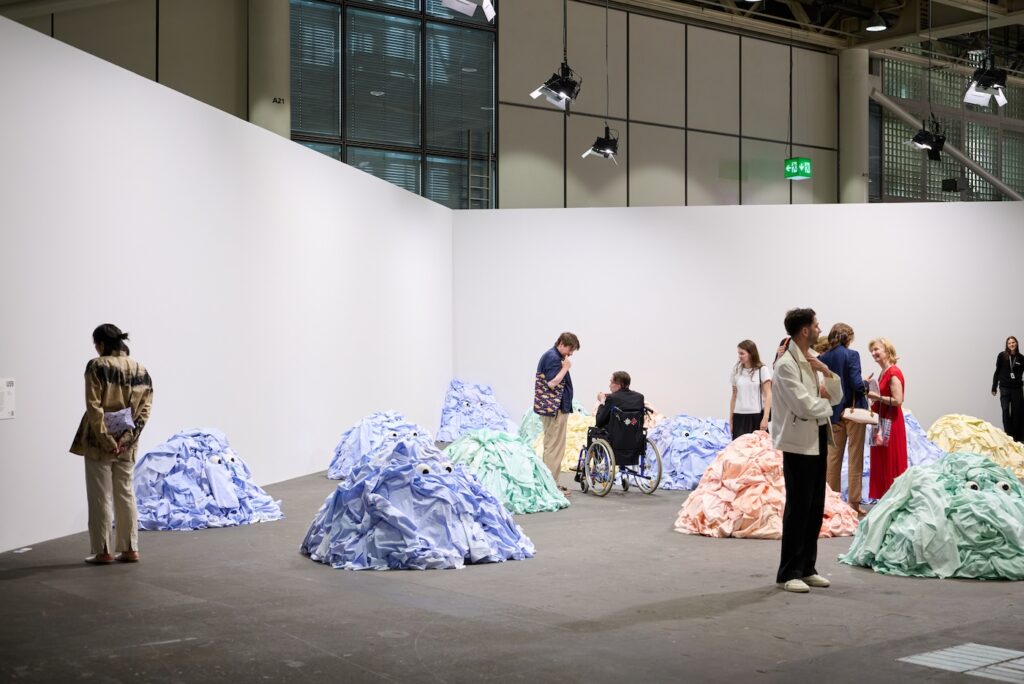 For CANVAS, that is one of the most interesting takeaways from Art Basel.
The value of a cultural project is not simply in making art visible. Visibility is the beginning. The harder and more important task is to create the conditions in which a work, an artist or an idea can be properly discovered.
That applies to a fair booth, a private preview, a public installation, a brand collaboration or a cultural programme within a residence or hospitality space.
The format may change.
The principle remains the same: art needs more than exposure to become meaningful. It needs context, attention and a reason for people to stay with it.